Sunday, February 2, 2025
Practical Aquaponics Ideas for Every Home Gardener
Practical Aquaponics Ideas for Every Home Gardener
Aquaponics, the symbiotic integration of aquaculture (raising aquatic animals) and hydroponics (growing plants without soil), offers a sustainable and efficient method for home food production. This article explores various practical aquaponics systems adaptable to diverse home gardening environments, emphasizing ease of implementation and maximized yield.

System Selection: Choosing the Right Aquaponics Setup for Your Home
The initial step involves selecting an aquaponics system appropriate for your space, experience level, and desired yield. Several configurations cater to various needs and limitations. Careful consideration of factors like available space, water supply, and time commitment is crucial for success.

Media Bed Systems: A Beginner-Friendly Approach
Media bed systems represent a popular entry point for novice aquaponics enthusiasts. These systems utilize a gravel or other inert media bed to support plant growth, where the water from the fish tank circulates, delivering essential nutrients. The simplicity of design and operation makes them ideal for beginners. A key advantage lies in their relative ease of maintenance and the robust nature of the plant support system. However, they require a larger footprint compared to other systems.
Advantages:
- Relatively simple to construct and maintain.
- Suitable for a wide variety of plants.
- Robust and less susceptible to certain issues compared to other systems.
Disadvantages:
- Requires significant space.
- Can be more challenging to manage water levels and oxygenation.
Deep Water Culture (DWC) Systems: High-Yield, High-Maintenance
Deep water culture (DWC) systems suspend plants' roots directly in oxygenated nutrient-rich water. This method allows for rapid plant growth due to the constant access to nutrients and water. While offering high yields, DWC systems demand more diligent monitoring and maintenance to prevent root rot and ensure adequate oxygenation. They are better suited for more experienced aquaponic gardeners who can dedicate time to regular system checks and adjustments. Careful control of water temperature and pH is crucial.
Advantages:
- High yields and rapid plant growth.
- Relatively small footprint compared to media beds.
Disadvantages:
- Requires more frequent monitoring and maintenance.
- Higher risk of root rot if oxygenation or water quality is not properly managed.
- Generally less forgiving of errors compared to media bed systems.
Nutrient Film Technique (NFT) Systems: Efficient Water Usage
Nutrient Film Technique (NFT) systems deliver a thin film of nutrient-rich water directly to the plant roots, minimizing water usage and maximizing nutrient uptake. This method necessitates a precise and consistent water flow to avoid root drying. While highly efficient, NFT systems are more complex to construct and maintain, making them a better choice for individuals with prior aquaponics experience and a willingness to invest time in system monitoring. Careful plumbing and leak prevention are critical for success.
Advantages:
- Highly efficient water usage.
- Rapid plant growth due to excellent nutrient delivery.
Disadvantages:
- More complex to construct and maintain.
- Susceptible to clogs and requires diligent cleaning.
- Requires precise water flow control.
Choosing Your Fish and Plants: A Symbiotic Relationship
The selection of fish and plants significantly impacts the overall success of your aquaponics system. Compatibility is crucial, with certain fish species and plant types proving more conducive to a thriving ecosystem. Overstocking the fish tank can lead to detrimental consequences, while the incorrect plant choices can disrupt nutrient cycling.
Selecting the Right Fish Species
Hardy, fast-growing fish species are generally preferred for beginners. Tilapia, channel catfish, and goldfish are examples of relatively resilient options. However, research the specific requirements of your chosen species to ensure they thrive within your system. This includes considering factors such as water temperature, oxygen levels, and feeding schedules.
Plant Selection: Nutrient Uptake and Growth Rates
Leafy greens like lettuce, kale, and basil are excellent choices for aquaponics, as they have relatively high nutrient requirements and rapid growth rates. However, the range of plants suitable for aquaponics extends far beyond leafy greens. Consider your personal preferences and the nutritional requirements of each plant in relation to the fish waste produced in your system.
Building Your System: Step-by-Step Guide
Building an aquaponics system requires careful planning and execution. The specific steps will vary based on the chosen system type, but the overall process involves establishing the fish tank, constructing the grow bed (or setting up the DWC or NFT system), and connecting the two components via a reliable water circulation pump. Detailed instructions are readily available online and in specialized literature. Use food-grade materials to avoid contamination.
Essential Components: Pumps, Filters, and Media
A reliable water pump is vital for circulating water between the fish tank and the grow bed. Filters help remove solid waste from the water, maintaining water quality and preventing clogging. Media for media bed systems should be inert and provide ample surface area for beneficial bacteria colonization. Regular system maintenance involves cleaning the filters and checking the pump's operation.
Monitoring and Maintenance: Ensuring System Health
Regular monitoring and maintenance are paramount to maintaining a healthy and productive aquaponics system. Regular checks of water parameters, including pH, ammonia, nitrite, and nitrate levels, are crucial. These parameters directly influence the health of both the fish and the plants. Any deviations from optimal ranges should be addressed promptly. This may involve adjusting the feeding regime, changing the water, or addressing problems with the circulation system.
Troubleshooting Common Issues: Preventing System Failures
Aquaponics systems can be subject to various challenges, including imbalances in nutrient levels, algae blooms, and fish diseases. Regular monitoring and preventive measures, such as proper filtration and adequate water changes, can mitigate many potential issues. Early detection and intervention are crucial in addressing any problems that arise. Refer to online resources and aquaponics communities for support in troubleshooting specific issues.
Conclusion: Embracing the Sustainable Harvest
Home aquaponics offers a sustainable and rewarding way to grow food and enjoy a connection with nature. While some initial investment and effort are required, the benefits of fresh, homegrown produce and the educational experience make it a worthwhile endeavor for many home gardeners. The detailed knowledge and careful planning addressed in this article can contribute significantly to the success of your aquaponics journey.

Sustainable Living Benefits Of Aquaponics Explained
Unlocking Sustainable Living: The Amazing Benefits of Aquaponics
Hey everyone! Let's talk about aquaponics. It sounds fancy, right? But trust me, it's way cooler than it sounds – and it's a game-changer when it comes to sustainable living. Basically, it's a symbiotic system where fish farming and hydroponics (growing plants without soil) come together in beautiful harmony. Think of it as a self-sustaining ecosystem, right in your backyard (or even your apartment!). And the best part? It's packed with benefits for both the planet and your plate.

Water Conservation: A Big Splash for Sustainability
One of the biggest wins with aquaponics is its incredible water efficiency. Traditional farming methods guzzle water – think about all the irrigation needed for vast fields. Aquaponics, however, recycles the water used in the fish tank to nourish the plants. The fish waste provides natural fertilizer, and the plants, in turn, filter the water, keeping it clean for the fish. This closed-loop system drastically reduces water consumption, making it a champion for water conservation in a world facing increasing water scarcity.

Less Water, More Food: The Aquaponic Advantage
Think about it: you're essentially creating a miniature, self-regulating ecosystem. The water that would normally be wasted goes straight back into the system. This means you're producing food with a fraction of the water used in traditional farming. It's a significant step towards more responsible and sustainable food production, especially in arid and semi-arid regions where water is a precious resource.
Reduced Fertilizer Use: Nature's Own Nutrient Solution
Conventional agriculture relies heavily on chemical fertilizers, which can be harmful to the environment. They pollute waterways, contribute to greenhouse gas emissions, and can even damage soil health in the long run. Aquaponics takes a completely different approach. The fish waste, rich in nitrogen and other nutrients, acts as a natural fertilizer for the plants. No need for synthetic chemicals! This not only protects the environment but also results in healthier, more nutritious produce.
Cleaner Waterways, Healthier Ecosystems
By eliminating or drastically reducing the need for synthetic fertilizers, aquaponics helps keep our waterways clean and protects aquatic life. Runoff from conventional farms often contaminates rivers and lakes, leading to harmful algal blooms and harming delicate ecosystems. Aquaponics offers a much more eco-friendly alternative, minimizing the impact on our precious water resources.
Increased Food Production in Smaller Spaces: Growing Food, Anywhere
Aquaponics systems are incredibly versatile. They can be scaled up or down to suit your needs and available space. Whether you have a sprawling backyard or a small balcony, you can set up an aquaponics system to grow your own food. This is a game-changer for urban farming and for people who want to access fresh, healthy food regardless of their living situation.
From Backyard to Balcony: The Adaptability of Aquaponics
Imagine growing your own tomatoes, lettuce, and herbs – alongside delicious fish – right outside your apartment window! Aquaponics makes this a reality. Its adaptability makes it a fantastic solution for communities with limited land, promoting food security and local food systems.
Reduced Carbon Footprint: A Greener Way to Grow
Conventional agriculture contributes significantly to greenhouse gas emissions, mainly through the use of fossil fuels in machinery, transportation, and fertilizer production. Aquaponics, being a more localized and resource-efficient system, has a significantly lower carbon footprint. This means you're making a positive contribution to mitigating climate change by choosing this sustainable approach to food production.
Less Transportation, Less Pollution: Local Food, Local Impact
Because you're growing your food on-site, there's less need for long-distance transportation of produce. This reduces the fuel consumption and emissions associated with getting food from farm to table, creating a truly localized and sustainable food system.
Pest and Disease Control: A Naturally Balanced System
Aquaponics systems are naturally less susceptible to pest infestations and diseases compared to traditional farming. The closed-loop system helps prevent the spread of pests and diseases, minimizing the need for pesticides and other harmful chemicals. This contributes to safer, healthier food and a healthier environment.
Natural Resistance: A Healthier Approach
The balanced ecosystem within the aquaponic system creates a natural resistance to many common pests and diseases. This reduces the reliance on harmful chemical interventions, making it a more sustainable and responsible way to grow food.
Fresh, Nutritious Food: Homegrown Goodness
Let's not forget the most rewarding aspect: delicious, fresh, and nutritious food! Knowing exactly where your food comes from and how it's grown is incredibly satisfying. You'll have access to high-quality, homegrown produce and fish, boosting both your health and your sense of accomplishment.
From Seed to Plate: The Joy of Homegrown Food
The taste of freshly harvested vegetables and sustainably raised fish is unparalleled. The satisfaction of growing your own food is a rewarding experience that connects you to the natural world and promotes healthier eating habits.
Commonly Asked Questions
- Is aquaponics difficult to set up? The complexity depends on the scale of your system. Smaller, beginner-friendly systems are readily available, and plenty of online resources and communities can guide you through the process.
- What kind of fish can I use in an aquaponics system? Tilapia, catfish, and koi are popular choices, but the best fish for your system will depend on your climate and the size of your setup. Research is key!
- How much space do I need? Aquaponics systems can be adapted to various spaces, from small tabletop systems to larger outdoor setups. Consider your available space and your desired yield when choosing a system size.
- What about maintenance? Aquaponics systems require regular monitoring and maintenance, including water testing, cleaning, and occasional adjustments to the system's balance. The amount of maintenance depends on the size and complexity of your system.
- Is aquaponics expensive? The initial investment can vary widely depending on the size and complexity of your system. However, the long-term savings in water, fertilizer, and other resources can make it a cost-effective solution over time.
- Can I grow any type of plant? Many plants thrive in aquaponic systems, including leafy greens, herbs, tomatoes, peppers, and even some fruiting plants. However, some plants may require more specific conditions than others.
So there you have it! Aquaponics offers a compelling path towards a more sustainable and fulfilling lifestyle. It's a rewarding experience that combines the joys of gardening and fish keeping while contributing to a healthier planet. Why not give it a try? You might just be amazed at what you can grow!
Organic Aquaponics Gardening For Urban Environments
Organic Aquaponics Gardening for Urban Environments
Imagine a vibrant, self-sustaining food source nestled within the concrete jungle of your city. This isn't science fiction; it's the reality of organic aquaponics, a revolutionary gardening method perfectly suited for urban spaces. Aquaponics cleverly combines aquaculture (raising fish) with hydroponics (soilless plant cultivation) to create a closed-loop ecosystem teeming with life and producing fresh, organic food. This symbiotic relationship minimizes waste, maximizes resource use, and offers a sustainable and rewarding gardening experience, even in the most limited of urban environments.

The Science Behind the Synergy
Aquaponics thrives on the symbiotic relationship between fish and plants. Fish produce waste, primarily ammonia. Beneficial bacteria, housed within the system's biofilter, convert this toxic ammonia into nitrites, then into nitrates. These nitrates are the essential nutrients plants crave to flourish. The plants, in turn, filter the water, removing excess nutrients and providing a clean, healthy environment for the fish. This elegant cycle requires careful monitoring and balancing, but the rewards are significant: a continuous, self-regulating ecosystem producing both delicious fish and nutrient-rich vegetables.

Choosing the Right System for Your Urban Space
The beauty of aquaponics lies in its adaptability. Whether you have a rooftop terrace, a balcony, or even a sunny windowsill, you can find an aquaponics system that fits your space. Media bed systems utilize gravel or other inert materials as a growing medium, providing a simple and effective solution for beginners. Deep water culture (DWC) systems, where plant roots hang directly in nutrient-rich water, are ideal for maximizing space and yield. Nutrient film technique (NFT) systems, using a thin film of nutrient-rich water flowing over plant roots, offer another efficient option for urban growers. Carefully consider your available space, time commitment, and desired crop selection when choosing your system.
Setting Up Your Urban Aquaponics Garden
Establishing your urban aquaponics garden involves several key steps. First, you'll need to select the appropriate system, procure the necessary equipment (tanks, pumps, grow beds, tubing, etc.), and choose your fish and plants wisely. Hardy, fast-growing plants like lettuce, basil, and tomatoes are excellent choices for beginners. Similarly, tilapia and goldfish are known for their hardiness and compatibility with aquaponics systems. Remember to thoroughly research the specific needs of your chosen species to ensure their health and thriving in your system.
Essential Considerations for Organic Aquaponics
Maintaining organic certification in your aquaponics system necessitates careful attention to detail. You must use organic fish feed free from antibiotics and synthetic chemicals. Avoid using synthetic fertilizers and pesticides, opting instead for natural pest control methods such as beneficial insects or companion planting. Regularly monitor water parameters (pH, ammonia, nitrite, nitrate levels) to ensure a healthy environment for both fish and plants. This commitment to organic practices not only guarantees the health of your produce but also contributes to a healthier planet.
Harvesting Your Urban Bounty
The final, and arguably most rewarding, stage is harvesting your homegrown produce. Enjoy the fresh, organic fish and vegetables you've cultivated. Aquaponics provides an opportunity to reconnect with your food source, understanding its journey from seed to table. The satisfaction of nurturing life and harvesting your own food is unparalleled, making organic urban aquaponics a deeply rewarding experience. Share your bounty with friends, family, and neighbors, promoting sustainable food practices within your community. This process isn't just about growing food; it's about cultivating a more sustainable and connected urban lifestyle.
Beyond the Basics: Expanding Your Urban Aquaponics
As your confidence grows, you can explore more advanced techniques. Experiment with different plant varieties, optimize your system for maximum yield, and consider incorporating vertical gardening techniques to maximize space utilization. You might even integrate solar power to reduce your environmental impact further. The possibilities are virtually endless, making aquaponics a constantly evolving and engaging endeavor for urban gardeners.
Affordable Aquaponics Kits for Urban Gardeners
Affordable Aquaponics Kits for Urban Gardeners: A Comprehensive Guide
The burgeoning interest in sustainable food production has propelled aquaponics, a symbiotic system combining aquaculture (raising aquatic animals) and hydroponics (growing plants without soil), into the spotlight. While traditionally perceived as a large-scale endeavor, the advent of affordable aquaponics kits has democratized this practice, making it accessible to urban gardeners with limited space and resources. This article provides a comprehensive overview of these kits, focusing on their affordability, features, and suitability for various urban gardening contexts.

Understanding the Appeal of Aquaponics Kits
Aquaponics offers several compelling advantages for urban dwellers, particularly those seeking self-sufficiency and environmentally conscious food production. The integrated nature of the system minimizes water waste – a critical factor in urban environments often facing water scarcity. Furthermore, aquaponics eliminates the need for large quantities of soil, a significant benefit for apartment dwellers or those with limited garden space. The system's self-sustaining nature also reduces the reliance on chemical fertilizers and pesticides, promoting healthier food production.

Key Benefits of Aquaponics for Urban Settings:
- Space Efficiency: Aquaponics systems can be adapted to fit various spaces, from small balconies to rooftops.
- Water Conservation: Recirculating water systems significantly reduce water usage compared to traditional gardening.
- Reduced Reliance on External Inputs: The closed-loop nature minimizes the need for fertilizers and pesticides.
- Year-Round Production (with proper climate control): Indoor aquaponics systems allow for consistent food production regardless of the season.
- Enhanced Food Security: Provides a source of fresh, healthy produce.
Factors to Consider When Choosing an Affordable Aquaponics Kit
Selecting the right aquaponics kit requires careful consideration of several factors, balancing affordability with functionality and long-term sustainability. A thorough assessment of your space, budget, and gardening experience will guide your decision-making process.
Budgetary Constraints:
Affordable aquaponics kits vary significantly in price. While some basic kits might be available for under $100, more advanced systems with features like automated water pumps and filtration can cost considerably more. Setting a realistic budget before commencing your search is crucial. Consider the long-term costs associated with maintenance, fish food, and potential repairs.
System Size and Capacity:
The size of the system directly impacts the quantity of fish and plants you can cultivate. Beginners might find smaller kits more manageable, allowing them to learn the intricacies of the system without overwhelming investment. Larger systems offer greater potential for yield but require more space and maintenance.
System Components and Features:
Examine the included components carefully. Essential elements include a fish tank, grow bed (media bed or deep water culture), water pump, air pump (often essential for fish health), and tubing. Consider features like automated water level control, built-in filtration, and grow lights (if planning indoor cultivation). Some kits offer modular designs, permitting expansion as your experience grows.
Ease of Assembly and Maintenance:
Opt for kits with clear instructions and straightforward assembly processes. Regular maintenance is vital for a healthy aquaponics system. Choose a kit that's easy to clean and maintain, minimizing the time and effort required for upkeep. Consider the availability of replacement parts, should any components fail.
Type of Aquaponics System:
Aquaponics kits generally fall into two main categories: media bed systems and deep water culture (DWC) systems. Media bed systems use gravel or other inert media to support plant roots, while DWC systems suspend plant roots directly in nutrient-rich water. Each system has its pros and cons concerning ease of maintenance, plant types suitable for growth, and initial setup cost. Research both types to determine which aligns best with your skills and preferences.
Examples of Affordable Aquaponics Kits
The market offers a diverse range of affordable aquaponics kits catering to various needs and budgets. While specific products and their availability fluctuate, the following categories illustrate the types of kits available:
Beginner Kits:
These typically include smaller tanks, simpler designs, and fewer features. They are ideal for those new to aquaponics, providing a low-risk entry point into the practice. They generally focus on ease of use and maintenance above large-scale yields. Expect limited capacity in terms of fish and plants.
Intermediate Kits:
Intermediate kits offer a balance between affordability and functionality. They might incorporate features like automated water pumps or more sophisticated filtration systems. These kits are suitable for those with some experience in gardening and aquaponics who desire a more robust and productive system.
DIY Kits:
Several vendors provide DIY kits containing essential components, requiring users to assemble the system. This approach can be more economical but demands more time, skill, and effort. It allows for greater customization but might present challenges for novices.
Add-on Components:
Many vendors also offer add-on components such as additional grow lights, larger tanks, or more efficient pumps. These additions can enhance the functionality of existing kits, allowing for customization and expansion as the user's needs evolve.
Beyond the Kit: Essential Considerations for Success
While an affordable aquaponics kit forms the foundation of your system, success hinges on several additional factors beyond the initial purchase. Careful planning and diligent management are crucial for a thriving system.
Fish Selection:
Choose hardy and adaptable fish species well-suited to the confines of your system. Tilapia and goldfish are popular choices for beginners due to their tolerance for varying water conditions. Research specific species' requirements regarding water temperature, pH levels, and oxygenation.
Plant Selection:
Select plants that thrive in the slightly alkaline and nutrient-rich water of the aquaponics system. Leafy greens, herbs, and some fruiting vegetables are often good choices. Avoid plants with exceptionally high nutrient demands in the beginning stages.
Water Quality Monitoring:
Regular monitoring of water parameters, including pH, ammonia, nitrite, and nitrate levels, is essential. These parameters influence the health of both the fish and the plants. Regular water changes might be necessary, depending on the system's design and capacity.
Maintenance and Cleaning:
Regular cleaning and maintenance are crucial to prevent the buildup of harmful substances and to ensure the proper functioning of the system. This includes cleaning the grow bed, changing water (partially or completely depending on the system), and checking equipment functionality.
In conclusion, affordable aquaponics kits present a viable pathway for urban dwellers to engage in sustainable food production. Careful consideration of the factors outlined above, coupled with diligent management and ongoing learning, will significantly enhance the chances of establishing a thriving and productive aquaponics system within the confines of an urban setting.
Energy Efficient Aquaponics Setup Ideas For Savings
Energy-Efficient Aquaponics System Design for Optimized Resource Utilization and Cost Savings
Aquaponics, the symbiotic integration of aquaculture (raising fish) and hydroponics (growing plants without soil), offers a sustainable and productive food production method. However, energy consumption can be a significant factor influencing the overall cost-effectiveness of an aquaponics system. This article explores various strategies for designing and operating energy-efficient aquaponics setups, focusing on minimizing energy expenditure while maximizing yield and resource utilization.
Optimizing System Design for Reduced Energy Consumption
The foundation of an energy-efficient aquaponics system lies in careful planning and design. Several key aspects contribute to minimizing energy use throughout the system's operational lifespan.

1. System Location and Orientation: Harnessing Natural Resources
Strategic system placement can significantly reduce energy demands. Optimal sunlight exposure minimizes the need for supplemental lighting in plant growth areas. South-facing systems (in the Northern Hemisphere) benefit from maximum solar radiation. Careful consideration should also be given to ambient temperature. Positioning the system in a sheltered location reduces temperature fluctuations, minimizing the energy required for heating or cooling. This reduces reliance on energy-intensive climate control systems.
2. Water Management: Reducing Pumping and Filtration Needs
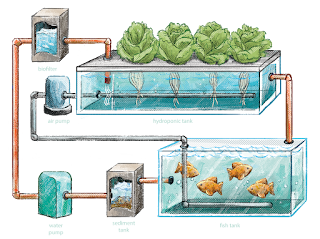
Water circulation is crucial in aquaponics, but excessive pumping consumes significant energy. Minimizing the distance water needs to travel between the fish tank, grow beds, and other system components reduces energy expenditure. The use of gravity-fed systems wherever feasible is a highly energy-efficient approach. Efficient pump selection is critical. High-efficiency pumps with low power consumption should be prioritized. Regularly cleaning and maintaining pumps to prevent clogging also optimizes their performance and prolongs their lifespan.
Effective filtration is crucial for maintaining water quality, but overly complex or energy-intensive filtration systems should be avoided. A well-designed system incorporating biofiltration (using beneficial bacteria to break down waste) and mechanical filtration (removing larger solids) can significantly reduce the need for energy-intensive mechanical filtration methods.
3. Insulation and Thermal Management: Minimizing Climate Control Energy
Fluctuations in ambient temperature can significantly impact system performance and energy consumption. Insulating the system components, particularly the fish tank and grow beds, helps maintain a stable temperature, reducing the energy required for heating or cooling. Materials such as foam insulation or recycled materials can be used to insulate the system effectively and minimize heat loss or gain. The use of passive solar heating or cooling techniques can further enhance energy efficiency.
4. Choosing Appropriate Lighting: Optimizing Plant Growth with Minimal Energy
Supplemental lighting is often necessary, especially in environments with limited sunlight. However, the type of lighting selected greatly affects energy consumption. LED grow lights are considerably more energy-efficient than traditional fluorescent or high-pressure sodium lamps. Additionally, careful consideration of the light spectrum and intensity required by the chosen plants can optimize growth while reducing unnecessary energy use.
Integrating Renewable Energy Sources: Sustainable Power Solutions
The integration of renewable energy sources can dramatically reduce the environmental impact and operating costs of an aquaponics system. Several options are available, each with its own set of advantages and limitations.
1. Solar Energy: Harnessing the Sun's Power
Solar panels can provide a clean and renewable energy source for powering the aquaponics system. Photovoltaic (PV) panels convert sunlight directly into electricity, eliminating the need for grid power. The size of the solar array will depend on the system's energy requirements and the amount of available sunlight. Battery storage can be integrated to ensure a continuous power supply, even during periods of low sunlight.
2. Wind Energy: Utilizing Wind Power for System Operation
In areas with consistent wind, wind turbines can be a viable option for generating electricity to power the aquaponics system. The size and capacity of the turbine will depend on the average wind speed and the system's energy demand. However, wind energy is often less reliable than solar energy, and appropriate backup power sources may be required.
3. Geothermal Energy: Utilizing Earth's Heat
Geothermal energy can be used for heating or cooling the aquaponics system. Ground source heat pumps can efficiently transfer heat from the earth to the system in winter and vice-versa in summer. This approach requires an initial investment in the geothermal system, but it can result in substantial long-term energy savings.
Implementing Energy-Saving Practices: Operational Efficiency
Beyond system design, operational practices play a significant role in minimizing energy consumption.
1. Regular System Maintenance: Optimizing Performance
Regular maintenance is crucial for ensuring optimal system performance and minimizing energy waste. This includes cleaning filters regularly to prevent clogging and reduce the load on pumps, checking pump efficiency and addressing any leaks promptly, and ensuring that all components are functioning optimally. Routine maintenance prevents unnecessary energy consumption caused by inefficient or faulty equipment.
2. Monitoring and Data Logging: Identifying Areas for Improvement
Monitoring key parameters such as water temperature, pH, dissolved oxygen levels, and energy consumption can help identify areas for improvement. Data logging systems can provide valuable insights into system performance, enabling adjustments to optimize energy use. Smart sensors and automated control systems can further improve efficiency by automatically adjusting parameters based on real-time data.
3. Efficient Water Usage: Reducing Evaporation and Water Loss
Minimizing water loss through evaporation can reduce the energy needed for water replacement and temperature control. Covering the grow beds with lids or using a closed-loop system can significantly reduce evaporation. Regular checks for leaks and timely repairs are also essential to minimize water loss and subsequent energy expenditure.
Conclusion: A Path Towards Sustainable Aquaponics
Designing and operating an energy-efficient aquaponics system requires a holistic approach, encompassing careful system design, the integration of renewable energy sources, and the implementation of energy-saving operational practices. By prioritizing energy efficiency from the outset, aquaponics can become an even more sustainable and cost-effective method of food production, promoting both environmental responsibility and economic viability.
Organic Aquaponics Methods for Small Gardens
Organic Aquaponics Methods for Small Gardens
Aquaponics, the symbiotic integration of aquaculture (raising aquatic animals) and hydroponics (soil-less plant cultivation), offers a sustainable and efficient method for food production, particularly well-suited to small garden spaces. This article explores organic aquaponics techniques tailored for compact environments, emphasizing ecological balance and minimizing environmental impact.

System Design for Small-Scale Organic Aquaponics
The success of any aquaponics system, especially a small-scale one, hinges on careful system design. Several factors need meticulous consideration to optimize both fish and plant health within limited space.
Choosing the Right System Type
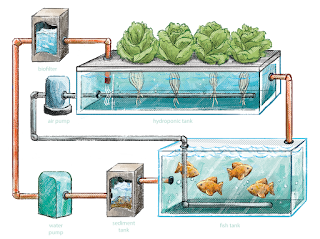
Several aquaponics system designs exist, each with advantages and disadvantages related to space constraints. For small gardens, media bed systems and deep water culture (DWC) systems are particularly popular due to their compact nature.
- Media Bed Systems: These systems utilize a bed filled with gravel, clay pebbles, or other inert media to support plant growth. The nutrient-rich water from the fish tank is circulated through the media bed, providing essential nutrients to the plants. Smaller systems can be built using readily available materials such as repurposed containers and readily available media. They are relatively low-maintenance and suitable for beginners.
- Deep Water Culture (DWC) Systems: In DWC systems, plant roots hang freely in oxygen-rich water. A small air pump provides constant aeration, ensuring sufficient oxygen for root health. This method requires less space than media bed systems for the same plant yield but demands more attention to water quality and oxygen levels. This is a more advanced system.
Tank Selection and Size
The size of the fish tank directly influences the system's capacity. For a small garden, a tank holding 20-50 gallons is a practical starting point. Smaller tanks necessitate more frequent water changes and careful monitoring of water parameters. The material of the tank should be non-toxic and food-safe, such as food-grade plastic or fiberglass. Avoid using materials that could leach harmful chemicals into the water.
Plant Selection for Organic Aquaponics
Selecting appropriate plants is crucial for a thriving system. Choose plants known for their vigorous growth and ability to tolerate a slightly variable nutrient supply. Leafy greens, herbs, and some fruiting vegetables perform well in aquaponics.
- Leafy Greens: Lettuce, spinach, kale, and arugula are excellent choices due to their rapid growth and high nutrient uptake.
- Herbs: Basil, mint, chives, and parsley thrive in aquaponics and can be easily incorporated into a small garden setting.
- Fruiting Vegetables: Tomatoes, peppers, and strawberries can be grown, although they require more space and attention.
Fish Selection
The choice of fish species significantly impacts the system's success. Selecting a species adapted to the tank size and water temperature is essential. Tilapia and trout are popular choices, though specific requirements vary. Consider the bioload – the amount of waste produced by the fish – to avoid overwhelming the system's capacity for nutrient processing. Begin with a smaller number of fish and gradually increase the population as the system matures.
Organic Principles in Aquaponics
Organic aquaponics emphasizes sustainability and minimizes the use of synthetic inputs. This approach fosters a healthy ecosystem that relies on natural processes for nutrient cycling and pest control.
Nutrient Cycling and Beneficial Bacteria
The core of any aquaponics system is the nitrification cycle. Beneficial bacteria convert fish waste (ammonia) into nitrite and then nitrate, which plants can absorb as nutrients. Maintaining a healthy population of these bacteria is paramount. Avoid using chemical treatments that could kill these beneficial bacteria. A mature system will naturally develop a robust bacterial community.
Organic Fertilization
While fish waste provides a significant source of nutrients, supplemental organic fertilization can enhance plant growth. Compost tea, worm castings, or other organic fertilizers can be introduced into the system to boost nutrient levels without compromising the organic integrity.
Pest and Disease Management
Organic pest and disease control relies on natural methods. Beneficial insects, companion planting, and careful monitoring can prevent infestations and disease outbreaks. Avoid using synthetic pesticides or herbicides, as they can harm the fish and beneficial bacteria within the system.
Monitoring and Maintenance
Regular monitoring and maintenance are crucial for a healthy and productive organic aquaponics system. This involves checking key parameters and performing routine tasks.
Water Quality Monitoring
Regular testing of water parameters, including pH, ammonia, nitrite, and nitrate levels, is essential. Maintaining the appropriate balance of these parameters ensures the health of both fish and plants. Use a reliable test kit to monitor these regularly.
Water Changes
While less frequent than in traditional aquaculture, periodic water changes are still necessary to remove accumulated solids and maintain optimal water quality. The frequency depends on the system's size and fish stock. Water changes should be performed carefully to minimize disruption to the system's delicate balance.
Cleaning and Maintenance
Regular cleaning of the system is essential to prevent the build-up of algae and debris. Cleaning should be done carefully to avoid harming the beneficial bacteria. Removing accumulated solids from the bottom of the tank and cleaning the grow bed will help maintain optimal conditions for plant growth.
Troubleshooting Common Problems
Even with careful planning and maintenance, problems can arise in aquaponics systems. Common issues include:
- High Ammonia Levels: Overstocking, insufficient filtration, or a malfunctioning system can lead to high ammonia levels. Address this by reducing fish stock, improving filtration, and checking for equipment problems.
- Low pH: Low pH can harm fish and plants. Adjust pH slowly and carefully using appropriate organic methods, such as adding crushed coral or limestone.
- Algae Blooms: Excessive light or nutrient build-up can cause algae blooms. Reduce light exposure, and maintain water quality.
By carefully considering the principles outlined above, small-scale organic aquaponics can provide a rewarding and sustainable method of growing food within the constraints of a small garden. Remember that patience, observation, and a willingness to adapt are essential for success. A successful aquaponics system requires a delicate balance and careful management, but the benefits of fresh, organically grown food make it a worthwhile endeavor. Through diligent attention to detail and a commitment to organic practices, small gardens can thrive with this integrated system.
Sustainable Living Made Easy with Aquaponics Benefits
Sustainable Living Made Easy with Aquaponics Benefits
Hey everyone! So you're interested in sustainable living, huh? That's awesome! It can feel overwhelming at first, figuring out where to even start. But what if I told you there's a surprisingly simple, yet incredibly effective way to grow your own food and reduce your environmental impact? Enter aquaponics! This isn't some futuristic, complicated system; it's actually a pretty cool blend of aquaculture (raising fish) and hydroponics (growing plants without soil). Let's dive in and explore how aquaponics can make sustainable living easier than you think.
What is Aquaponics, Anyway?
Imagine a symbiotic relationship between fish and plants – that's essentially what aquaponics is all about. Fish waste, which is rich in ammonia, is naturally filtered by beneficial bacteria in the system. These bacteria convert the ammonia into nitrites, then nitrates – a fantastic natural fertilizer for your plants! The plants, in turn, filter the water, keeping it clean and healthy for the fish. It's a closed-loop system, meaning you use significantly less water than traditional gardening and minimize waste. Pretty neat, right?
The Amazing Benefits of Aquaponics
There are so many reasons why aquaponics is gaining popularity as a sustainable living solution. Let's highlight some key benefits:

Reduced Water Consumption:
This is a huge one! Traditional agriculture uses tons of water. Aquaponics, because of its closed-loop system, recycles water, significantly reducing your water footprint. You're essentially creating a mini-ecosystem that conserves precious resources.
Year-Round Growing Potential (depending on your setup):
Depending on where you live and the type of aquaponics system you choose, you can grow food all year round! No more waiting for the right season – you can have fresh herbs, vegetables, and even fruits year-round, greatly increasing your food security.
Less Reliance on Chemical Fertilizers and Pesticides:
Aquaponics uses the natural waste from fish to fertilize the plants. This eliminates the need for chemical fertilizers, which can harm the environment and your health. Similarly, the closed system minimizes pest problems, reducing or eliminating the need for harmful pesticides.
Fresh, Healthy Food:
You'll know exactly where your food comes from, ensuring its freshness and quality. Plus, you can control what goes into your system, avoiding harmful chemicals and GMOs. The satisfaction of harvesting your own food is unbeatable!
Reduced Food Miles:
By growing your own food, you dramatically cut down on the transportation needed to get food from farm to table. This reduces your carbon footprint and supports local food systems.
Great for Beginners:
While it might sound complex initially, aquaponics is surprisingly accessible for beginners. There are many resources and tutorials available online and plenty of communities dedicated to helping newcomers get started. You can start small and scale up as you gain experience.
Different Types of Aquaponics Systems
There's no one-size-fits-all when it comes to aquaponics. Different systems suit different needs and spaces:
Media Bed Systems:
These are among the most common and beginner-friendly systems. They use a bed filled with gravel or clay pebbles where the plants are grown, and the water from the fish tank is circulated through this bed.
Deep Water Culture (DWC) Systems:
In DWC systems, the plant roots hang directly in the nutrient-rich water. This is a highly efficient system, but it requires more careful monitoring of water levels and oxygenation.
Nutrient Film Technique (NFT) Systems:
NFT systems use a thin film of nutrient-rich water that flows over the roots of the plants. This is a more advanced system but very efficient in terms of space and water usage.
Hybrid Systems:
Many aquaponics enthusiasts combine elements of different systems to create a custom setup that best fits their needs and resources.
Getting Started with Your Own Aquaponics System
Ready to take the plunge? Here's a simplified roadmap to get you started:
Commonly Asked Questions
Here are some frequently asked questions about aquaponics:
Q: How much does it cost to set up an aquaponics system?
A: The cost varies greatly depending on the size and complexity of your system. You can start with a relatively inexpensive setup or invest in a more sophisticated system for a larger scale operation.
Q: How much space do I need?
A: Again, this depends on the size of your system. You can have a small indoor system on a balcony or a larger outdoor system in your backyard.
Q: How much time does it take to maintain an aquaponics system?
A: Maintenance requirements vary depending on the size and type of your system. A smaller system might require 15-30 minutes of care per week, while a larger system could need more time.
Q: What kind of fish can I use?
A: Tilapia, goldfish, and catfish are popular choices for beginners due to their hardiness. Research is key to selecting the right species for your climate and system.
Q: What plants grow well in aquaponics?
A: Leafy greens, herbs, and some fruiting vegetables thrive in aquaponics. Experiment to discover what works best in your specific system.
So there you have it! Aquaponics is a fantastic way to embrace sustainable living, enjoy fresh, healthy food, and reduce your environmental impact. It might seem like a big commitment, but with a bit of research and a willingness to learn, you can easily grow your own food in a fun and rewarding way. Happy growing!
Friday, January 31, 2025
Benefits of aquaponics for sustainable living
Aquaponics: Your Ticket to a More Sustainable Life
Hey everyone! So you're curious about aquaponics? That's awesome! It's a pretty cool system, and honestly, it's becoming more and more relevant as we all try to figure out how to live more sustainably. Let's dive into why aquaponics is such a game-changer.
What Exactly *Is* Aquaponics?
Think of it as a symbiotic relationship between aquaculture (raising fish) and hydroponics (growing plants without soil). Basically, you're raising fish in a tank, and their waste (which, let's be honest, is ammonia) gets filtered and used as fertilizer for your plants. The plants, in turn, clean the water, making it suitable for the fish. It's a closed-loop system, remarkably efficient and resource-friendly. It's like nature's built-in recycling program, but way cooler!
The Sustainability Superpowers of Aquaponics
Aquaponics isn't just a trendy hobby; it's a seriously sustainable solution for food production. Let's explore why:

Water Conservation
This is a big one. Traditional agriculture uses massive amounts of water. Think about watering your lawn, or even just the water needed to grow a single head of lettuce. Aquaponics, however, uses significantly less water because the water is constantly recirculated. The plants take up what they need, and the rest is cleaned and reused. You're essentially creating a self-sustaining water cycle.
Reduced Fertilizer Use
Forget those chemical fertilizers! In aquaponics, the fish waste provides all the nutrients the plants need. This eliminates the need for synthetic fertilizers, which can be harmful to the environment and our health. It's all natural, and you're minimizing the use of chemicals that could pollute the soil and water systems.
Less Land Needed
Aquaponics can be set up in smaller spaces compared to traditional farming. You can build a system on your patio, in your backyard, or even on a rooftop! This makes it a fantastic option for urban farming and reducing the environmental impact of transporting food long distances.
Reduced Carbon Footprint
Because aquaponics systems are more efficient and require less transportation, they inherently reduce your carbon footprint. You're not relying on heavy machinery or extensive transportation networks to get food to your table.
Pest and Disease Control
While pests and diseases can still affect your plants, aquaponics offers some natural advantages. The controlled environment and the symbiotic relationship between plants and fish help maintain a healthier system overall. You'll still need to be vigilant, but it's often easier to manage potential issues compared to conventional farming.
Increased Food Security
By growing your own food, you're increasing your family's food security. You know exactly what's going into your food, and you're less reliant on the global food supply chain. This is particularly valuable in times of uncertainty or when access to fresh produce is limited.
Economic Benefits
While setting up an aquaponics system requires an initial investment, it can ultimately be cost-effective in the long run. You're reducing your grocery bills and potentially even generating income by selling your surplus fish or produce.
Getting Started with Aquaponics: A Few Friendly Tips
Okay, so you're convinced. Aquaponics is awesome, and you want to give it a shot. That's fantastic! Here are a few things to keep in mind:
- Start small: Don't try to build a massive system right away. Begin with a smaller setup to get the hang of things before scaling up.
- Research: There's a wealth of information online and in books about aquaponics. Take the time to learn about different system designs, fish species, and plant varieties.
- Plan your space: Consider the size of your space and the amount of sunlight available. You need to ensure you have enough room for your tanks, grow beds, and any other equipment.
- Choose your fish wisely: Some fish are better suited to aquaponics than others. Tilapia and goldfish are popular choices for beginners.
- Be patient: Aquaponics takes time to establish. Don't get discouraged if you encounter some challenges along the way.
Commonly Asked Questions
I get it—starting anything new can feel overwhelming. Here are some frequently asked questions to help clear up any confusion:
Q: How much does it cost to set up an aquaponics system?
A: The cost varies greatly depending on the size and complexity of your system. You can start with a relatively inexpensive system or invest in a more elaborate setup. It's best to do your research and create a budget that fits your needs and resources.
Q: How much time does it take to maintain an aquaponics system?
A: The time commitment also depends on the size of your system. Smaller systems may require only 15-30 minutes of daily maintenance, while larger systems may need more attention. Think of it like having a pet—it needs regular care, but the rewards are definitely worth it.
Q: What kind of fish can I use?
A: Many fish species are suitable for aquaponics, but some are better suited for beginners. Tilapia, goldfish, and some types of catfish are often recommended for beginners due to their hardiness and compatibility with aquaponic systems.
Q: What if something goes wrong?
A: Things can and will go wrong sometimes. The key is to monitor your system regularly and address problems promptly. The aquaponics community is very supportive, so don't hesitate to seek help online or from experienced aquaponics enthusiasts.
Q: Can I grow any type of plant?
A: While many plants thrive in aquaponics, some plants may require specific conditions. Leafy greens, herbs, and some fruiting plants are generally good choices for beginners.
Hopefully, this has given you a good overview of aquaponics and its benefits for sustainable living. It's a rewarding endeavor that combines learning, growing, and environmental responsibility. Happy growing!
Tuesday, November 19, 2024
How to Set Up a Compact, Sustainable Aquaponic System in Your Yard

Cultivating Your Backyard Oasis: A Guide to Compact, Sustainable Aquaponics
Imagine a self-sustaining ecosystem thriving in your backyard, providing fresh, healthy food with minimal effort. That's the magic of aquaponics! This innovative system marries aquaculture (raising fish) with hydroponics (growing plants without soil), creating a symbiotic relationship where fish waste fertilizes the plants, and the plants filter the water for the fish. This article guides you through setting up a compact and sustainable aquaponic system perfectly suited for your yard, even if space is limited.
Choosing Your System: Size Matters
The first step is deciding on the size and type of your system. For a compact backyard setup, a media bed system or a deep water culture (DWC) system are ideal. Media bed systems use a gravel or clay pebble bed to house beneficial bacteria, which convert fish waste into plant-usable nutrients. These are generally more forgiving for beginners. Deep water culture systems, on the other hand, use a raft of plants floating on nutrient-rich water, offering a simpler design but requiring more vigilant water monitoring. Consider your space limitations and your comfort level with different maintenance requirements when making your selection. A smaller system, perhaps a 50-gallon setup, is a great starting point for beginners and allows for manageable growth.
Gathering Your Supplies: The Essential Toolkit
Building your aquaponic system requires careful planning and the acquisition of specific materials. Start by selecting your fish tankâ€"a sturdy food-grade plastic container is a cost-effective option. Next, choose your growing medium (for media bed systems) â€" clay pebbles or gravel are excellent choices for their inert nature and ability to support beneficial bacteria. For a DWC system, you’ll need a net pot system and a sturdy raft. You'll also need an air pump and air stone to oxygenate the water, a submersible water pump to circulate water between the fish tank and grow bed, and of course, plants and fish! Research compatible plant and fish species; hardy varieties such as lettuce, basil, and tilapia are excellent beginner choices. Don't forget essential tools: a measuring cup, pH testing kit, and a net for handling fish.
Essential Equipment Checklist:
- Food-grade plastic tank (50-100 gallons for a compact system)
- Growing medium (clay pebbles or gravel for media bed, net pots for DWC)
- Air pump and air stone
- Submersible water pump
- pH testing kit
- Fish net
- Plants (e.g., lettuce, basil)
- Fish (e.g., tilapia)
Construction and Setup: Building Your Ecosystem
Begin by assembling your chosen system. If building a media bed system, carefully layer your chosen growing medium into a container connected to your fish tank. For a DWC system, ensure your raft is securely floating and your net pots are appropriately positioned. Connect your water pump to circulate water between the fish tank and your growing area. Remember to position your air pump and air stone for adequate oxygenation. Once the system is assembled, carefully introduce your fish and plants. Start with a smaller number of fish to avoid overwhelming the system, gradually increasing the number as the biological balance stabilizes. Monitor water parameters such as pH and ammonia levels regularly using your testing kit.
Maintenance and Monitoring: Nurturing Your System
Regular maintenance is crucial for a thriving aquaponic system. Monitor water levels, pH, and ammonia and nitrite levels frequently. Conduct partial water changes as needed to maintain water quality. Harvest plants as they mature, promoting continuous growth. Regularly clean your system of any debris to prevent the buildup of harmful bacteria. The key to success lies in observing and adapting your practices based on the health of your plants and fish. With consistent care, your compact aquaponic system will reward you with fresh, homegrown produce and the satisfaction of creating a sustainable ecosystem in your own backyard.
Monday, November 18, 2024
How to Make Aquaponics Work in Your Backyard Garden

Implementing a Successful Backyard Aquaponics System
Aquaponics, the symbiotic cultivation of fish and plants, presents a sustainable and efficient method for home gardening. This integrated system offers a compelling alternative to traditional agriculture, minimizing water usage and maximizing yields. However, success hinges on a thorough understanding of the system's intricate components and diligent maintenance. This article will provide a comprehensive guide to establishing and maintaining a thriving backyard aquaponics system.
System Design and Construction
The foundation of any successful aquaponics system lies in its careful design and robust construction. Several crucial factors must be considered before initiating the build:
Choosing the Right System Type
Numerous aquaponics systems exist, each with its own advantages and disadvantages. The optimal choice depends on factors such as available space, budget, and desired scale of production. Common types include:
- Media Bed Systems: These utilize a bed filled with gravel or other inert media to support plant growth. Nutrient-rich water from the fish tank is circulated through the media bed, providing essential nutrients to the plants.
- Deep Water Culture (DWC) Systems: In DWC systems, plants are suspended with their roots submerged directly in nutrient-rich water. This method allows for rapid plant growth but requires more precise water management.
- Nutrient Film Technique (NFT) Systems: NFT systems utilize a thin film of nutrient-rich water flowing continuously over the plant roots. This technique is highly efficient but can be more challenging to set up and maintain.
- Vertical Systems: These space-saving designs stack multiple grow beds or DWC units vertically, maximizing plant production in limited spaces.
Selecting Appropriate Materials
The materials used in constructing your aquaponics system should be food-safe, durable, and resistant to degradation. Common materials include:
- Food-grade plastic containers: These are readily available, relatively inexpensive, and easy to clean.
- PVC pipes: Durable and versatile, PVC pipes can be used for constructing various components of the system, such as water lines and grow beds.
- Inert media: Gravel, clay pebbles, or lava rock are commonly used as media in media bed systems. Ensure the material is thoroughly rinsed before use to remove any potential contaminants.
- Submersible pumps: A reliable submersible pump is crucial for circulating water between the fish tank and the grow beds.
- Air pump and airstones: These are essential for providing adequate oxygen to the fish in the tank.
Building the System
Once the system type and materials are selected, construction can begin. Detailed plans should be drafted beforehand, ensuring proper sizing and placement of components. Consider factors such as:
- Tank size: The size of the fish tank should be determined by the number and size of fish intended for the system.
- Grow bed size: The size of the grow bed should be proportionate to the number and type of plants being grown.
- Plumbing: The plumbing system should be designed to ensure efficient water circulation without leaks or blockages.
- Water filtration: Incorporate a simple filtration system to remove solid waste from the water. This could include a biofilter utilizing beneficial bacteria.
Careful attention to detail during construction is vital for ensuring a leak-free and efficient system. Thorough testing is recommended before introducing fish and plants.
Stocking and Plant Selection
The successful operation of an aquaponics system requires careful consideration of both the fish and plants selected. Compatibility and balance are crucial for maintaining a healthy ecosystem.
Choosing the Right Fish
The type of fish selected will significantly influence the system's design and maintenance. Factors to consider include:
- Species compatibility: Select fish species that are compatible with each other and with the size of the tank.
- Waste production: Fish that produce a higher amount of waste will require a larger system to handle the increased nutrient load.
- Hardiness: Choose hardy fish species that are relatively easy to care for and tolerant of fluctuations in water parameters.
- Growth rate: Consider the growth rate of the fish to ensure they do not outgrow the system.
Popular choices include Tilapia, koi, and certain types of catfish.
Selecting Suitable Plants
Plant selection is equally crucial. Consider plants that:
- Tolerate fluctuating nutrient levels: Aquaponics systems can experience fluctuations in nutrient concentration, so selecting tolerant plants is essential.
- Have varied nutrient uptake rates: A mix of plants with varying nutrient needs helps to maintain a balanced system.
- Are suited to your climate: Select plants that are well-suited to your local climate and growing conditions.
- Are compatible with your system type: Different plants are better suited to different aquaponics system types.
Leafy greens, herbs, and some fruiting vegetables are excellent choices for aquaponics.
Monitoring and Maintenance
Regular monitoring and maintenance are vital for maintaining a healthy and productive aquaponics system. Neglect can lead to imbalances that could harm both fish and plants.
Water Quality Monitoring
Regular monitoring of water parameters is critical. Key parameters to monitor include:
- pH: Maintaining an appropriate pH level (generally between 6.0 and 7.0) is crucial for both fish and plant health.
- Ammonia: Ammonia is toxic to fish, so monitoring levels and promptly addressing any build-up is essential.
- Nitrite: Nitrite is also toxic and needs to be monitored closely.
- Nitrate: Nitrate is the final product of the nitrogen cycle and is utilized by plants as a nutrient.
- Dissolved Oxygen: Maintaining adequate dissolved oxygen levels is vital for fish health. An air pump and airstones are crucial for this.
- Temperature: Maintain optimal water temperature for both fish and plants.
Regular System Maintenance
Regular maintenance tasks include:
- Cleaning the fish tank: Regularly remove any uneaten food and fish waste to prevent water quality degradation.
- Cleaning the grow bed: Periodically flush the grow bed to remove accumulated debris.
- Checking and cleaning pumps and filters: Ensure pumps and filters are functioning correctly and clean them as needed.
- Monitoring plant health: Regularly inspect plants for signs of disease or nutrient deficiency.
- Harvesting: Regularly harvest plants to prevent overcrowding and maintain a healthy balance within the system.
By carefully designing, constructing, and maintaining your backyard aquaponics system, you can enjoy a bountiful harvest of fresh produce while engaging in a sustainable and rewarding gardening practice. Remember that consistent monitoring and adjustments are key to long-term success.
Low-Cost, High-Impact Aquaponic System Ideas for Small Gardens

Unlocking Abundant Harvests: Low-Cost, High-Impact Aquaponics for Small Gardens
Dreaming of fresh, homegrown produce without the hefty price tag of a traditional garden? Aquaponics, a symbiotic system blending aquaculture (raising fish) and hydroponics (growing plants without soil), offers a surprisingly accessible and rewarding solution, even for the smallest of spaces. This article unveils ingenious, budget-friendly aquaponic system ideas perfectly suited for small gardens, maximizing yield while minimizing investment.
DIY Systems: Maximizing Resources, Minimizing Costs
Forget expensive, pre-fabricated systems. Embrace the ingenuity of DIY! Repurposing readily available materials breathes new life into old containers and slashes costs significantly. A simple, effective system can be constructed using readily available materials like:
- Repurposed Plastic Storage Bins: Large, sturdy bins serve as excellent fish tanks and plant grow beds. Seal any cracks meticulously with aquarium-safe sealant to prevent leaks.
- IBC Totes (Intermediate Bulk Containers): These industrial containers are often available cheaply or even free, offering ample space for both fish and plants. Consider cutting them in half to create a two-tiered system for efficient space utilization.
- PVC Pipes: Create a customized grow bed by arranging PVC pipes vertically or horizontally, offering flexibility in plant placement and maximizing vertical space.
- Used Grow Bags: These provide a readily available, cost-effective medium for plant growth, offering good aeration and drainage.
Remember to meticulously research compatibility. Some plastics may leach harmful chemicals, so always prioritize food-safe materials.
System Designs for Small Spaces: Thinking Vertically and Strategically
The Media Bed System: A Simple, Effective Choice
This classic aquaponic design uses a grow bed filled with gravel or clay pebbles as the growing medium. Fish waste provides nutrients, which are naturally filtered by beneficial bacteria in the grow bed. This bacteria converts ammonia from fish waste into nitrates, a usable form of nitrogen for plant growth. The simplicity and low cost make it perfect for beginners. Simply arrange a fish tank below a grow bed, connecting the two with tubing to circulate the nutrient-rich water.
The Deep Water Culture (DWC) System: Maximizing Vertical Space
Perfect for smaller spaces, DWC systems suspend plant roots directly in a nutrient-rich water solution. This method is efficient and requires less growing media. Build your own by using a net pot to hold your plants directly over a nutrient-rich water reservoir. You'll need an air pump to aerate the water and prevent root rot. The vertical design maximizes your space. For a truly low-cost system, repurpose plastic buckets or containers.
Essential Considerations for Success
Choose the Right Fish: Tilapia and goldfish are hardy, readily available, and relatively inexpensive options for beginners. Always research the specific needs and space requirements of your chosen fish species.
Monitor Water Parameters: Regular testing of pH, ammonia, nitrite, and nitrate levels is crucial for maintaining a healthy and balanced system. Invest in a reliable testing kit â€" this is a crucial, yet affordable, component of success.
Start Small, Scale Up: Begin with a smaller system to gain experience and confidence before investing in larger, more complex setups. The learning curve is minimal, and the rewards are plentiful!
Embarking on your aquaponic journey requires commitment, but the rewards â€" fresh, healthy produce, and the satisfaction of cultivating your own food system â€" far outweigh the effort. By employing creativity, resourcefulness, and a little research, you can build a thriving, low-cost, high-impact aquaponic system in even the smallest garden space.
How to Create a Mini Aquaponic Garden in Your Home

Dive into Homegrown Happiness: Building Your Mini Aquaponic Garden
Dreaming of fresh herbs and vibrant vegetables without the endless weeding and watering? Aquaponics offers a sustainable and surprisingly simple solution, even in the confines of your apartment! This symbiotic system combines aquaculture (raising fish) and hydroponics (growing plants without soil) to create a self-sustaining ecosystem buzzing with life. Let’s explore how you can construct your own mini aquaponic garden, bringing the bounty of nature indoors.
Choosing Your System: Size and Style
Before you leap into building, consider the space you have available and your desired scale. A beginner's mini aquaponic system can be as small as a 10-gallon tank, perfect for a countertop or windowsill. Larger systems, housed in a dedicated cabinet or corner, allow for more ambitious harvests. You can opt for a media bed system, where the fish tank’s water is circulated through a bed of gravel or clay pebbles where plants are rooted, or a deep water culture (DWC) system, where plant roots directly hang in the nutrient-rich water. Media bed systems require slightly more setup, but often offer more stability for beginners. DWC systems are faster to establish, but may be more sensitive to imbalances.
Gathering Your Essential Supplies
Building your mini aquaponic system requires careful planning. Start with a sturdy fish tank (plastic is ideal for beginners), a pump capable of circulating the water effectively, air stones to oxygenate the water and promote healthy fish, grow media (clay pebbles, gravel, or lava rock for media beds, or net pots for DWC), plant starts (easy-to-grow herbs like basil or lettuce are excellent choices), and, of course, your fish! Hardy fish like tilapia or goldfish are good beginners' options. Remember to purchase a reliable water testing kit to monitor ammonia, nitrite, and nitrate levelsâ€"essential for the health of both your fish and plants.
Detailed Shopping List:
- Fish tank (10-20 gallons for a starter system)
- Submersible water pump
- Air pump and air stones
- Grow media (clay pebbles, gravel, or lava rock)
- Net pots (for DWC systems)
- Plant starts (herbs, lettuce, or other fast-growing plants)
- Fish (1-3 hardy fish, depending on tank size)
- Water testing kit (for ammonia, nitrite, and nitrate)
- Tubing to connect the tank and grow bed
Building Your Mini Ecosystem
Once you’ve gathered your supplies, assembling your system is surprisingly straightforward. For a media bed system, place the grow media in a designated grow bed (this could be a separate container or a shelf above the fish tank). Ensure the pump circulates water from the fish tank through the grow bed and back into the tank. For a DWC system, place your plants in net pots and suspend them over the water surface. Carefully position your air stones to provide adequate oxygen. Introduce your fish gradually, allowing them to acclimate to the water temperature and environment. Plant your seedlings or starts, ensuring their roots are properly submerged (or in contact with the media).
Maintaining Your Aquaponic Garden
Regular maintenance is key to a thriving aquaponic system. Monitor your water parameters using the testing kit and adjust accordingly. Feed your fish a balanced diet, avoiding overfeeding. Harvest your plants regularly to encourage new growth. Regularly clean the system by removing any dead plant matter or debris. Remember, consistency is key! By carefully tending to your mini aquaponic garden, you'll not only enjoy fresh, homegrown produce, but also the satisfaction of creating and maintaining a self-sustaining ecosystem.
Sunday, November 10, 2024
Transform Your Balcony with an Affordable Aquaponics System

Transform Your Balcony with an Affordable Aquaponics System
Dreaming of fresh, homegrown produce but lacking a backyard? Fear not, fellow urban gardeners! With the magic of aquaponics, you can turn your humble balcony into a flourishing oasis, even if you have zero gardening experience. Ready to dive into the world of fish and veggies living in harmony? Let's get growing!
What is Aquaponics, Anyway?
Aquaponics is like the cool, sustainable cousin of traditional gardening. It combines the best of both worlds: fish farming (aquaculture) and hydroponics (growing plants without soil). Think of it as a symbiotic relationship where the fish waste provides nutrients for the plants, and the plants filter the water for the fish. It's a win-win, environmentally friendly, and super fascinating!
Why Choose an Aquaponics System?
You might be thinking, "Why bother with all this fish-and-plant stuff? Can't I just grab some tomatoes from the supermarket?" Well, here's why you should give aquaponics a shot:
- Fresh, Healthy Food: Grow your own veggies, herbs, and even fruits, knowing exactly what went into them (no pesticides or herbicides here!).
- Space-Saving and Sustainable: Perfect for balconies, patios, or even indoors. It uses less water than traditional gardening and is super eco-friendly.
- Therapeutic and Educational: Watching your system thrive is incredibly rewarding! It's also a great way to learn about the interconnectedness of nature.
- Unique and Conversation-Starting: Your balcony will become the envy of the neighborhood with this cool, sustainable setup.
Creating Your Balcony Aquaponics Oasis: A Step-by-Step Guide
1. Choosing Your Setup: DIY or Ready-Made?
You can build your own aquaponics system using readily available materials (think buckets, PVC pipes, and grow beds), or you can opt for a ready-made kit. The choice depends on your budget, time commitment, and DIY skills.
- DIY: More affordable and allows for customization. You'll need to do some research on design and materials, but it can be a rewarding project.
- Ready-Made: Convenient and often comes with instructions. Prices vary, but some great starter kits are available.
2. Fish, Glorious Fish!
Fish are the heart of your aquaponics system. They provide the nutrients that your plants need. Choose fish that are compatible with the size of your tank and your local climate.
- Popular Choices: Tilapia, goldfish, koi, or even a small school of fancy guppies!
- Fish Health: Ensure your fish are healthy and free of disease before introducing them to your system.
3. Plant Power!
Time to choose your plant posse! Aquaponics can support a wide variety of leafy greens, herbs, and even vegetables like tomatoes, peppers, and cucumbers.
- Beginner-Friendly: Lettuce, spinach, basil, and cilantro are easy to grow and thrive in aquaponics.
- Experiment and Have Fun: Try growing different varieties and see what works best for your balcony and local climate.
4. Build the System:
Whether you choose to DIY or go with a ready-made kit, your aquaponics system will typically include the following components:
- Aquarium or Fish Tank: This is where your fishy friends live. Make sure it's big enough for your chosen fish and the bio-filtration system.
- Grow Beds: These are the containers where your plants will grow, filled with a growing medium like clay pebbles or gravel.
- Bio-Filter: This is crucial for breaking down fish waste into plant-friendly nutrients. It can be a simple system of rocks and gravel or more complex filtration media.
- Water Pump: Circulates water between the fish tank and the grow beds, ensuring proper nutrient distribution.
5. Setting Up and Maintaining Your System:
Once your system is assembled, it's time to get it up and running!
- Adding Water: Use dechlorinated water for your system to prevent harming your fish.
- Cycling Your System: This crucial step allows beneficial bacteria to establish themselves in your system and convert fish waste into nutrients. It takes a few weeks, but you can help it along with a commercially available bacterial starter.
- Feeding Your Fish: Feed your fish a balanced diet of high-quality fish flakes or pellets.
- Watering Your Plants: Aquaponics systems are self-watering, but you may need to adjust the water level in your grow beds as needed. Also, observe your plants for any signs of nutrient deficiency.
- Cleaning and Maintenance: Regularly clean your fish tank and bio-filter to prevent build-up and maintain water quality.
Tips for Success:
Aquaponics, while a rewarding endeavor, requires some patience and attention.
- Do your research: Before you jump in, learn about the basics of aquaponics and choose fish and plants that are suitable for your climate and system.
- Start small: Begin with a smaller system and gradually expand as you gain experience.
- Monitor your water quality: Regularly test the pH, ammonia, and nitrite levels in your system to ensure optimal conditions for both fish and plants.
- Be observant: Pay close attention to the behavior of your fish and the health of your plants. Early detection of issues can prevent bigger problems down the road.
- Join online communities: Connect with other aquaponics enthusiasts for tips, advice, and inspiration.
Harvest Time!
The moment you've been waiting for has finally arrived! As your plants grow, you'll be able to harvest delicious, homegrown produce.
- Patience is Key: Give your plants ample time to grow and mature.
- Enjoy the Bounty: You'll be amazed at the quality and flavor of your aquaponics-grown food.
- Share the Love: Share your harvest with friends and family and inspire others to embrace the magic of aquaponics.
Aquaponics on Your Balcony: A Journey of Growth
Building an aquaponics system on your balcony is a journey that goes beyond just growing food. It's a journey of learning, discovery, and connection with nature. You'll gain a deeper appreciation for the interconnectedness of life, and the satisfaction of growing your own fresh food will be a truly rewarding experience. So, grab your tools, choose your fish, and get ready to transform your balcony into a thriving aquaponics oasis! Happy growing!
Aquaponics System Designs for Small Homes and Apartments

Aquaponics System Designs for Small Homes and Apartments
Craving fresh, homegrown produce but lacking a spacious backyard? Don't despair! Aquaponics, a symbiotic blend of aquaculture (raising fish) and hydroponics (growing plants without soil), offers a sustainable and space-saving solution for urban dwellers. Whether you have a tiny balcony or a compact apartment, aquaponics systems can thrive in even the most limited spaces, providing a rewarding way to connect with nature while enjoying the fruits (and veggies!) of your labor.
Understanding the Basics of Aquaponics
Aquaponics hinges on a harmonious relationship between fish and plants. Fish waste, rich in nutrients, is filtered through a biological process in the system, transforming it into plant-friendly food. These nutrient-rich waters are then circulated to the plant beds, providing vital sustenance for your greens. This closed-loop system is incredibly efficient, minimizing water waste and maximizing growth.
Space-Saving Aquaponics System Designs for Small Homes
The beauty of aquaponics lies in its adaptability. You can build a system to suit your space and needs. Here are some popular designs for small dwellings:
Vertical Aquaponics Towers
Vertical aquaponics towers are ideal for maximizing space in small apartments. They stack multiple levels of grow beds, allowing you to grow a variety of plants in a compact footprint. These towers are aesthetically pleasing and can be incorporated into your existing decor.
DIY Aquaponics Systems
If you're a bit of a DIY enthusiast, you can create your own aquaponics system using readily available materials like recycled plastic tubs, buckets, or even repurposed furniture. These systems can be tailored to your space and design preferences, offering a personalized touch to your urban garden.
Aquaponics Wall Systems
Aquaponics wall systems are perfect for maximizing vertical space. They can be hung on walls, fences, or even indoors, creating a stunning green wall that's both functional and eye-catching.
Selecting the Right Fish and Plants
Choosing the right fish and plants is crucial for a successful aquaponics system. Consider these factors:
- Fish Compatibility: Select fish that are compatible with each other and with the environment you'll create.
- Plant Compatibility: Choose plants that thrive in a nutrient-rich, semi-aquatic environment. Leafy greens, herbs, and fruiting vegetables are excellent choices.
- Space Considerations: Consider the size and growth habits of both fish and plants when planning your system.
Benefits of Aquaponics for Urban Dwellers
Beyond the fresh, homegrown produce, aquaponics systems offer numerous advantages for urban dwellers:
- Sustainability: Aquaponics systems are remarkably water-efficient, using less water than traditional gardening methods. They also eliminate the need for chemical fertilizers and pesticides.
- Space Efficiency: These systems are designed to maximize space, making them perfect for limited urban environments.
- Reduced Food Costs: Growing your own food can significantly reduce grocery bills and provide a sense of satisfaction in self-sufficiency.
- Connecting with Nature: Aquaponics systems bring a piece of nature into your home, fostering a connection with the food you eat and the environment.
Getting Started with Aquaponics
The world of aquaponics is exciting and accessible. There are countless resources available online and in libraries to help you get started.
- Research: Dive into the world of aquaponics and familiarize yourself with the basics, different system designs, and fish and plant compatibility.
- Plan: Carefully plan your system, considering your space, budget, and desired outcomes.
- Build: Gather the necessary materials and build your aquaponics system, taking pride in creating your own urban oasis.
Embrace the challenge of creating your own sustainable food source. Aquaponics systems offer a rewarding and innovative way to grow fresh food in small spaces, fostering a connection with nature and a sense of self-sufficiency right in your own home.